About Chair Lift for Stairs
Chair Lift for Stairs is a small, independent website focused on clear, senior-friendly stairlift pricing information.
We’re not a stairlift dealer, installer, or manufacturer. We don’t publish “too good to be true” prices, and we don’t pretend a calculator can replace an in-home measurement.
Our goal
Help older adults and families understand typical stairlift costs and the questions to ask so they can get accurate quotes from licensed professionals.
Editorial policy (how we write and update content)
1) We use public, reputable sources
For cost ranges and consumer guidance, we primarily rely on:
- Recognized consumer/aging organizations (for example, NCOA)
- Government sources for coverage/benefits rules (for example, Medicare.gov, VA.gov, IRS publications)
- Secondary “cost aggregator” sources as context (clearly labeled), not as the only source
2) We separate “planning ranges” from “quotes”
Any price ranges on this site — like those in our stairlift cost guide and stairlift cost calculator — are planning ranges. Real stairlift pricing depends on:
- Staircase layout and measurements
- Features needed for safe transfers (seat height, swivel, capacity)
- Installation conditions and local labor rates
We encourage you to get multiple quotes from reputable local installers — our stairlift cost by state pages cover local planning factors.
3) We keep content practical
Our guides focus on:
- What’s included in installed pricing (equipment vs installation)
- The biggest cost drivers (straight vs curved, rail length, options)
- Checklists that help you compare quotes fairly
4) Review cadence
We periodically review pages to update ranges and references.
How we research (and what we don’t do)
Our guides are researched and written by the Chair Lift for Stairs editorial team, published under the byline Eleanor Hayes. We synthesize pricing and coverage information from the public, reputable sources cited on each page and update guides as ranges change.
We don’t personally test, install, or sell stairlifts, and we don’t publish first‑hand “we tested it” reviews. Our value is honest, well‑sourced research that helps you ask the right questions and get accurate quotes from licensed professionals. For the full description of our method — sources, how we handle prices and review scores, and how to report an error — see How We Research.
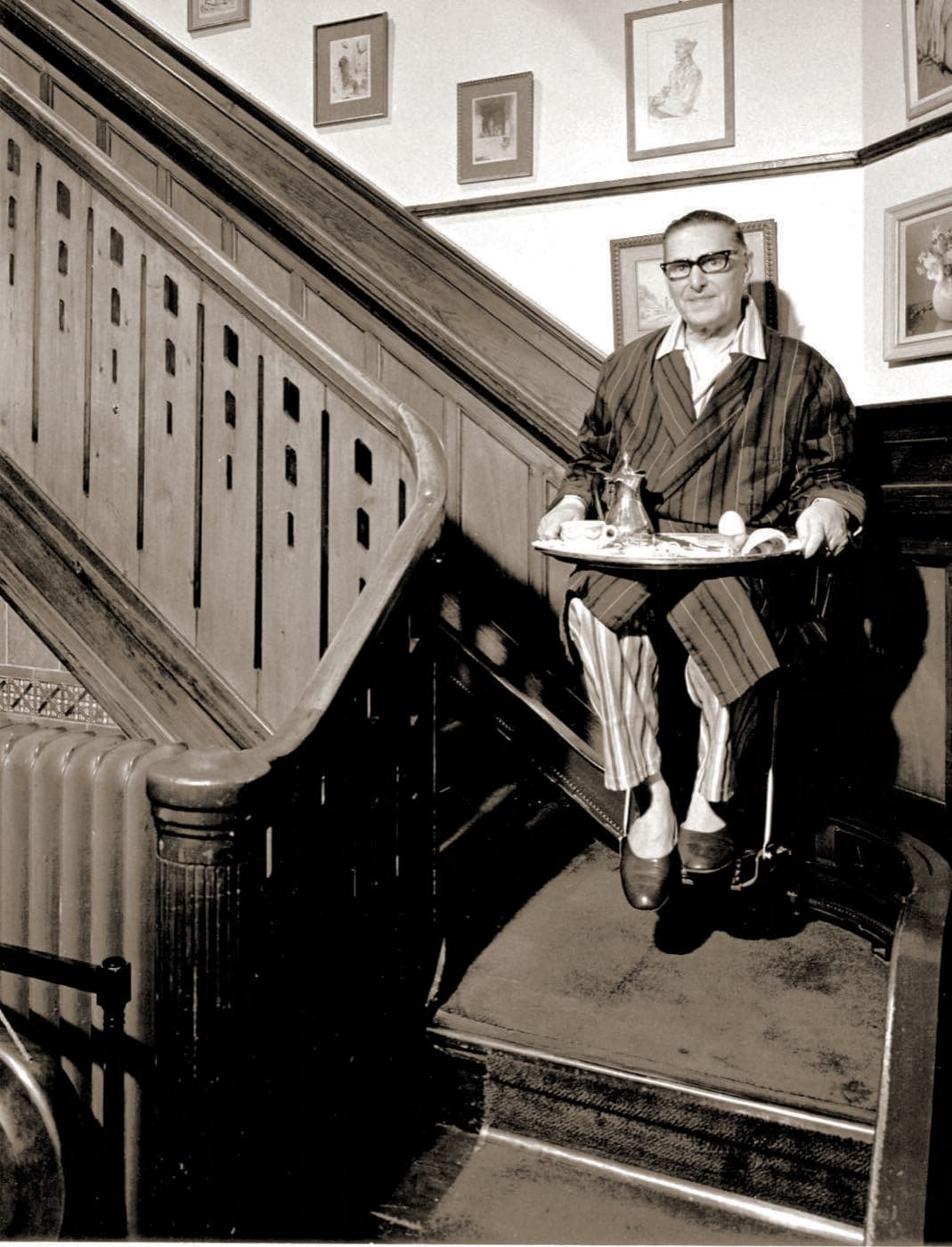
Quick glossary
A few terms you’ll see when shopping for a stairlift:
- Installed price — equipment plus professional installation (what most quotes cover).
- Rail (track) — the guide the chair rides along. Straight stairs use a standard rail; curved stairs need a custom one.
- Straight vs curved — straight stairs have no turns; any turn, bend, or mid-stair landing usually means a curved lift (custom rail, higher cost) — though two straight lifts at a landing can sometimes be a cheaper alternative.
- Landing — a flat resting area between flights of stairs.
- Swivel seat — lets the seat turn at the top so you can get off facing away from the stairs; a power swivel does this automatically.
- Folding rail / footrest — parts that fold up to keep a doorway or walkway clear.
- Transfer — safely getting on and off the stairlift.
- Weight capacity — the maximum user weight a model supports; heavy-duty models support more.
- DME (durable medical equipment) — Medicare’s category for certain in-home medical equipment. Stairlifts generally don’t qualify (they’re treated as a home modification) — see does Medicare cover stairlift costs.
- Refurbished / reconditioned — a used unit a dealer has inspected, repaired, and tested.
Contact
Questions, corrections, or a broken link? Email: contact@chairliftforstairs.com.